Newport News, VA · Garage Door Service
Serving Portsmouth's 1960s-era garage doors from Newport News, 18 miles out. Torsion springs, opener repair, and panel work built for this housing stock.
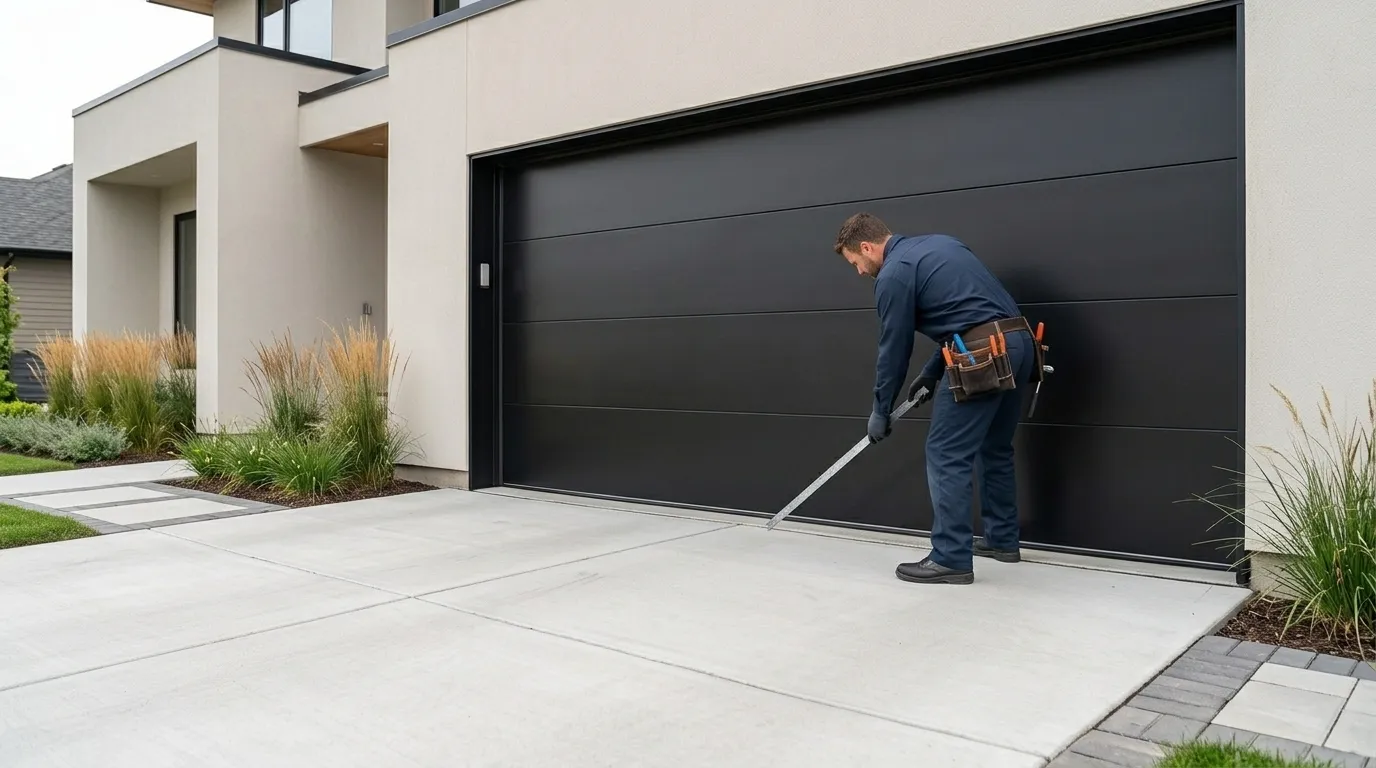
What a job costs in Portsmouth depends more on the door's age than on anything else. The median home here went up around 1966, which puts a lot of garage doors at or past the point where parts wear out together instead of one at a time. A torsion spring job on its own is a smaller bill than a spring plus a stripped opener gear plus rollers that have worn oval instead of round - and on a door this old, we often find all three at once. We quote after we see the door, not before, because a steel door from that era can look fine and still have a bent track hiding behind a panel. Portsmouth sits about 18 miles from our shop in Newport News, and that travel is part of any quote we give here - we don't pretend otherwise. Income levels in this area run below the wider Newport News service area, and we know that shapes what people want to spend. Where a repair gets the door working safely for a fair price, we say so. Where the drum, spring, and opener are all original to a 1966-built house, we'll tell you plainly that patching one part just moves the next failure a few months down the road.
A door built when this neighborhood was new is usually a single steel or wood-composite slab, no insulation layer, on side-mounted torsion hardware that nobody stocks new anymore. Finding a matching replacement panel for a door that old is close to impossible - we're usually replacing the whole section, sometimes the whole door, because the manufacturer that made it may not exist. The cold-moderate climate here doesn't bring the extreme swings of further inland, but damp winters still work steel hardware loose over fifty-some years, and a track that's a quarter-inch out of plumb on an old door behaves very differently than the same gap on a new one. We also see openers that were added years after the original door went in, chain-drive units bolted onto hardware they weren't sized for. Matching a new opener to old track and an old door's weight is its own small job, and skipping that step is how people end up with a door that opens but slams the last six inches.
We run this job out of Newport News, about 18 miles up the road, so a Portsmouth call isn't a same-block visit - it's scheduled, not walk-in. Tell us the door's rough age and what it's doing (won't open, opens crooked, makes a bang on the way down) when you call, and we'll bring the right spring size and cable length instead of guessing on site. Because these are older doors more often than not, we try to carry a broader spring range on the truck for Portsmouth calls specifically. If the part turns out to be something we don't carry - a specific 1960s-era panel profile, for instance - we'll say so up front rather than stringing the visit out.
Some of this is fine to handle yourself: tightening loose hinge bolts, cleaning and lubricating rollers and track, replacing a burnt-out opener light bulb or a worn weatherstrip along the bottom. None of that needs a call. A torsion spring is a different matter - it's wound under enough tension to break a bone or worse, and on a door with side-mounted hardware from the 1960s the drum and cable setup is often not what current instructions or online videos assume. If the door won't budge, makes a loud bang, or the opener strains and stops, that's a spring or cable job. We won't talk anyone into calling for something a can of lubricant fixes, but spring work on a door this age isn't a first repair to learn on.
The complaint we hear most from this side of the service area is a door that starts up fine, gets partway, then reverses or stalls - often paired with a grinding or scraping sound that wasn't there a month before. On a house built around 1966, that combination usually means a spring that's lost tension unevenly, forcing the opener to do work it isn't built for, while a track bracket that's loosened over decades lets the door bind on one side. Newer doors show a cleaner failure - the spring snaps and the door simply won't move. Older ones tend to fail slowly and noisily first, which is actually the better outcome: it gives you warning before the door drops or the opener's gear strips for good.
No. We work out of Newport News and travel to Portsmouth for scheduled jobs, about 18 miles each way. There's no local depot here, so calls are booked rather than same-hour walk-ins.
On doors from the 1960s, side-mounted torsion hardware and drums wear gradually rather than snapping cleanly the way newer setups often do. That means you may notice binding or uneven tension for weeks before an outright failure.
Usually not exactly. Manufacturers from that period often aren't in business anymore, so an exact panel match is rare. We'll tell you honestly whether a full section swap or a full door replacement makes more sense once we've seen it.
Depends on the fault. If it's a gear or capacitor issue, sometimes yes. If the opener was undersized for the door's weight to begin with, a repair just delays the same problem - we'll tell you which situation you're in before we start.
Call now or request a free quote - same-day service on most repairs, upfront written pricing.
