Newport News, VA · Garage Door Service
Newport News homes mostly went up 1948-1992 in a cold-moderate climate. Here's how that housing stock and that swing actually wear on garage doors and openers.
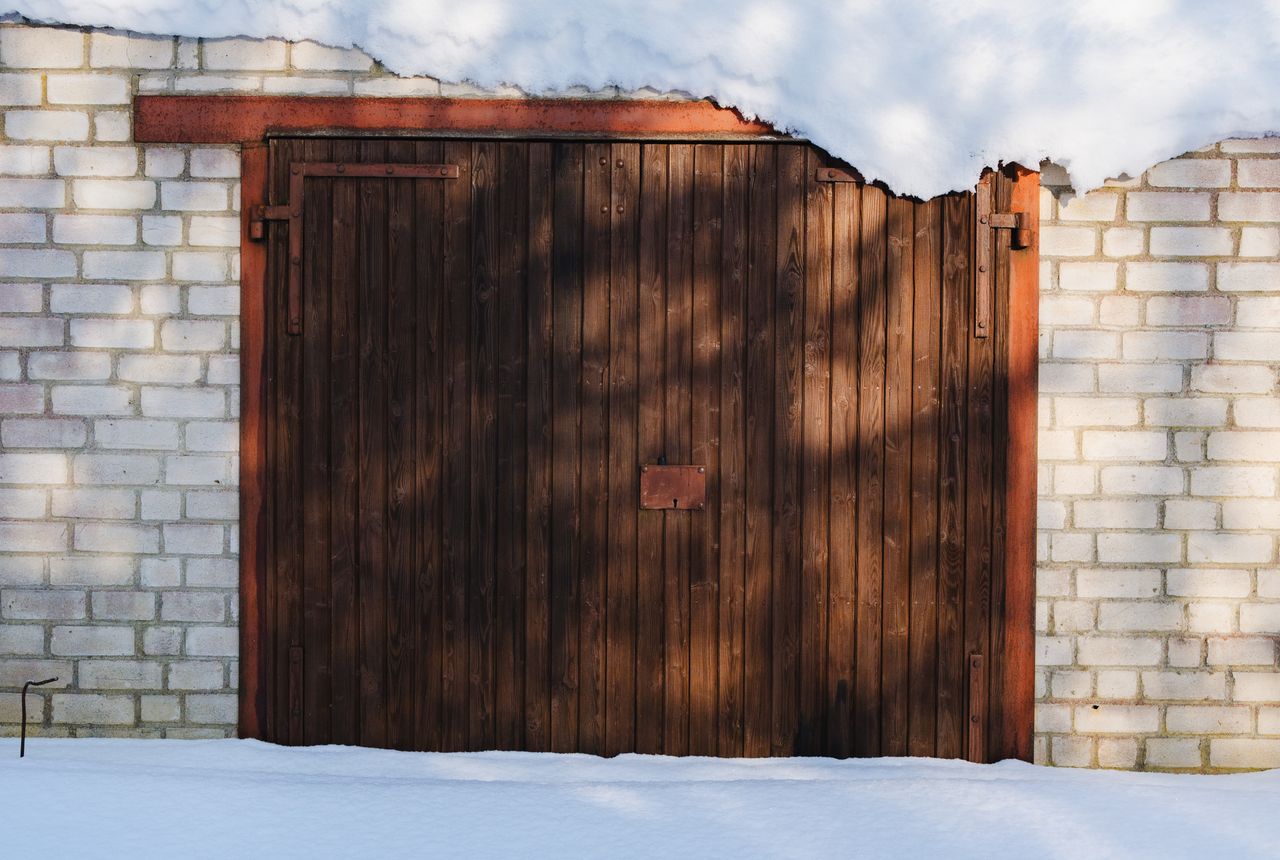
Newport News sits in a cold-moderate climate band, not a hard freeze belt and not a coastal sauna either. That matters more than people think. A steel panel contracts in a cold January morning and swells back by afternoon, and over enough years that flexing loosens the screws holding hinges to the panel. Wood trim around the jamb does the same thing on a slower cycle, swelling in humid stretches and drying tight again. Neither extreme by itself is the problem. It's the swing, repeated for decades, on a door that was built for an average day and never made to flex twice a week.
Most houses in this service area went up between 1948 and 1992, with the bulk from the 1960s and 70s. That means a lot of garage doors and the openers bolted above them have already been through forty or fifty of these cycles. Springs lose tension a little faster under repeated temperature swings than they would in a stable garage. Rollers that were fine on a mild day start to squeal or bind once the metal contracts around the track. None of this is dramatic. It shows up as a door that used to open quiet now opening rough, or a remote that used to work first try now needing two tries in cold weather.
Across the named pockets of the area - Hidenwood, Charles, Jenkins, Deer Park, Kiln Creek, Epes, McIntosh, and out toward Fort Eustis and Reservoir - the same 1960s and 70s tract construction shows up house after house. These weren't custom builds with one-off hardware. They were built in batches, which means the garage doors, tracks, and spring setups tend to be consistent within a few years of each other, even street to street.
That consistency cuts both ways. It means when one door on a block fails, the neighbor's door built the same year is probably not far behind on wear, even if it hasn't started making noise yet. It also means these doors were never built with the weatherstripping and insulation standards that came later. Doors on houses built before insulation rules typically have a single thin seal at the bottom and no insulation in the panel itself, so they were never sealed the way a door built today would be. That's not a defect, it's just the year they were made. It becomes relevant once the seal itself starts to crack or shrink, which is exactly what a few decades of seasonal swing will do to rubber.
A cold-moderate climate doesn't put the same load on hardware that a true freeze zone does, so you're not going to see slabs crack or steel snap from cold the way you might further north. What you get instead is slower, cumulative wear: springs that lose a fraction of their tension every winter, bottom seals that harden and crack rather than tear, and torsion bar mounts that work loose a sixteenth of an inch at a time on houses with original 1960s and 70s framing.
A household here earning close to the area median of $82,589 is often weighing a straightforward repair against a full opener or door swap, not deciding whether to call anyone at all. That's a fair way to think about it. A spring or a roller job on a door from this era is usually worth doing. A door that's lost its seal entirely, or an opener that's original to a 1970s build, is a different conversation, because parts for some of that older gear stopped being made a long time ago and a repair can end up costing close to what a new setup would.
Twice a year, once going into the cold months and once coming out, look at four things. First, the bottom seal - if it's cracked, flattened, or gapping at the corners, that's the swing doing its work and it's a cheap fix if you catch it early. Second, the hinges where the panel sections meet - a little play here means screws have worked loose from repeated flexing, and it's worth snugging them before the panel itself starts to sag. Third, listen to the opener on a cold morning versus a warm afternoon - if it strains or hesitates only in the cold, the spring tension has likely drifted low. Fourth, look at the track brackets for any sign they've shifted, which shows up as a door that rides slightly crooked.
One honest limit here: we can't tell you the exact age of your specific door or opener without seeing it, since houses in this area were built across more than four decades even within the same neighborhood. What we can say is that if your house dates to the 1960s or 70s stretch that covers most of this area, the hardware is old enough that a seasonal check twice a year is worth the twenty minutes it takes.
Not in the way a hard freeze zone would. Newport News sits in a cold-moderate band, so you won't typically see cracked slabs or snapped steel. What you get instead is slow wear - seals hardening, springs losing tension, hinges loosening - from decades of repeated temperature swings on older hardware.
Steel panels contract slightly in cold weather and expand again when it warms, and that repeated flex loosens hinge screws and roller alignment over time. On a door from the 1960s or 70s building stock common in this area, that cycle has already run several decades, so the noise difference is often just old hardware finally showing its age.
Depends what's failing. A worn spring, roller, or seal on an otherwise sound door is usually worth fixing. An opener original to a 1960s or 70s build, or a door with no insulation and a seal that's fully gone, often costs close to the same to repair as to replace, so that's worth a real look rather than an automatic repair.
Call now or request a free quote - same-day service on most repairs, upfront written pricing.
