Newport News, VA · Garage Door Service
Why older Newport News homes near Hidenwood, Kiln Creek, and Deer Park see more spring failures in cold weather, and what to check before it happens to yours.
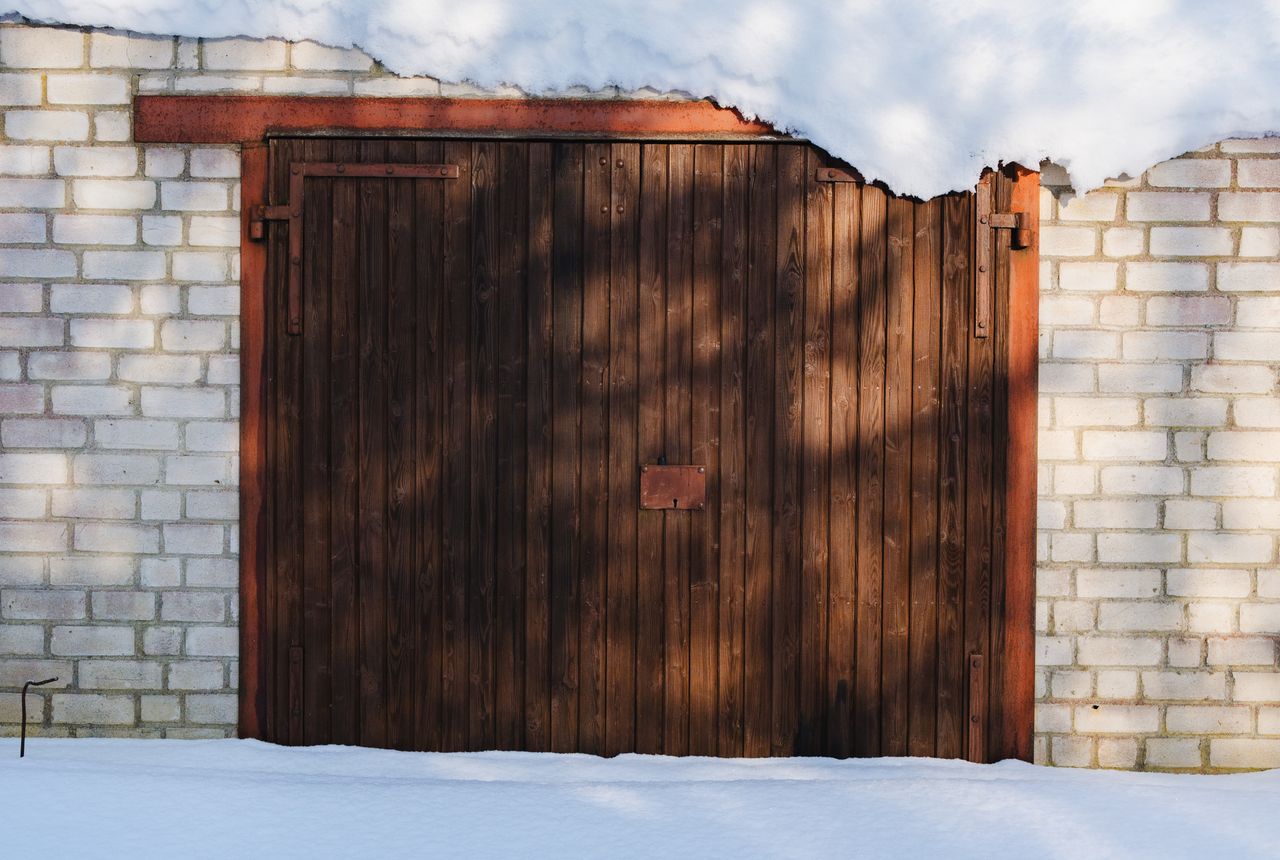
Steel doesn't like the cold. A torsion spring is just a coil of high-tension steel wire, and steel gets a little more brittle as the temperature drops. Around here that's not an extreme swing - we sit in a cold-moderate band, not a deep freeze - but it's enough. A spring that's been quietly losing strength for years, cycling up and down thousands of times since it was wound, tends to pick the first genuinely cold morning to finally let go. You hear a bang from the garage, and the door won't budge or drops fast when you try to lift it. That's not bad luck. That's a spring that was already near the end, and the cold just picked the day. Warm afternoons don't cause this. It's the overnight drop and the first cold start of the day that puts the last bit of stress on wire that's already fatigued. If your door has felt heavier to lift by hand over the past few months, that's the spring telling you before it breaks - the cold just moves up the timeline.
A lot of the doors we get called on sit on houses built between 1948 and 1992, with the bulk of that stock going up in the 1960s and 70s, across neighborhoods like Hidenwood, Charles, Jenkins, Deer Park, Kiln Creek, Epes, McIntosh, and near Fort Eustis and Reservoir. A house from that era, going by the median build year of 1977, means the garage door hardware has had a long run - even after a replacement or two, a lot of these openings still carry torsion setups sized for doors that are decades old. Original springs from that period, if they're still in place, have been through 40-plus winters of expansion and contraction. Even a spring replaced more recently inherits an old jamb, an old track alignment, sometimes an old header that was never built square to begin with. None of that is a defect. It's just the math of an aging housing stock - with 24,011 owner-occupied houses across this service area, a meaningful share of them are sitting right in that window where original or early-replacement hardware is due.
The cold-moderate climate here means we don't get the kind of hard, sustained freeze that snaps steel outright, but we do get enough temperature swing - cold nights, milder days - to stress metal that's already fatigued from age. That swing matters more on an older door because the spring, the cable, and the bearing plate have all been flexing together for decades without anyone touching them. On a newer door, that same cold morning is a non-event. On a door from the 1960s or 70s stock common through Deer Park, Epes, and McIntosh, it can be the difference between a door that opens stiff and a door that doesn't open at all. Median household income across the area runs $82,589, which is worth mentioning only because it means most owners here are in a position to replace a failing spring outright rather than let it go until the cable frays too - a full spring swap is usually the more sensible call than trying to nurse an old one through another winter.
Before the cold snaps, look at three things. First, the spring itself - if you can see a gap in the coil or a visible bend, stop opening the door and call someone. Second, listen for a straining sound from the opener motor on a cold start; that's the opener doing a spring's job, and it will burn out the motor if it keeps going. Third, check how the door feels disconnected from the opener - pull the release, lift by hand halfway, and let go. It should hold. If it drops, the spring's already lost most of its tension. One honest limitation: we can't tell you over the phone whether a spring is a quick swap or part of a bigger repair - bent track, a cracked panel from the strain, or a header issue underneath. That only shows up once we're standing in front of it.
Steel gets slightly more brittle as it cools, and a spring that's already fatigued from years of cycling is more likely to fail on that first cold stretch than during a mild week. It's not the cold causing the damage outright - it's the cold triggering a failure that was already coming.
Houses from that era across this area often still carry original or early-replacement torsion hardware. That's decades of use on the same spring gauge. It's worth having it looked at before winter rather than after it snaps, especially if the door feels heavier than it used to.
You can, but a door that's dropping fast or straining the opener motor on cold starts usually gets worse, not better, over a few more cold mornings. Waiting risks the cable or the opener next, which turns a spring job into a bigger one.
Call now or request a free quote - same-day service on most repairs, upfront written pricing.
